
I recently attended the 2026 Resuscitation Conference in Christchurch as part of my ongoing commitment to providing current, evidence-based resuscitation education.
The conference reinforced many of the teaching principles already embedded within Resus Nelson courses, including the importance of early recognition, high-quality CPR, regular scenario-based training, teamwork, and early defibrillation. It also provided valuable updates on current guideline changes and emerging research relevant to primary care, community health, vaccination providers, and emergency response teams.
Attending national conferences and maintaining active clinical practice help ensure Resus Nelson courses remain practical, relevant, and aligned with current best practice and New Zealand resuscitation guidelines.
Key Updates from the 2026 Resuscitation Conference
Recent discussions at the 2026 Resuscitation Conference reinforced several important themes highly relevant to General Practice, Primary Care, Vaccinating Nurses, and Basic Life Support training.
Early Recognition & Prevention Matter
Education remains one of the most powerful tools in improving survival from cardiac arrest and heart attacks. Many patients still fail to recognise cardiac symptoms early, particularly jaw pain, arm pain, shortness of breath, nausea, or subtle chest discomfort. Delays in seeking help continue to significantly affect outcomes.
CPR & Team Training
Research continues to support:
- Short, regular “low-dose, high-frequency” CPR training
- Scenario-based team training within your own clinical environment
- Using familiar equipment and systems during simulations
- Simple, clear communication during emergencies
Training little and often improves confidence, retention, and team performance far more effectively than infrequent large training sessions.
Defibrillation Remains Critical
Early CPR and rapid defibrillation remain the single biggest factors influencing survival from cardiac arrest. Conference discussions highlighted the importance of:
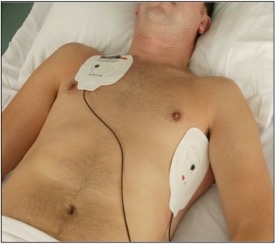
- Correct AED pad placement
- Restarting CPR immediately after shocks
- Improving community confidence using AED
Oxygen Therapy Changes
Updated guidelines continue to emphasise targeted oxygen therapy rather than routine high-flow oxygen. Oxygen should be used when patients are hypoxic rather than automatically applied in all emergencies.
Paediatric & Infant Resuscitation Updates
Key updates included:
- Preference for the two-thumb technique during infant CPR

- Smaller fluid boluses (10 mL/kg)
- Increased use of ETCO₂ monitoring where available
- Focus on minimising delays to chest compressions
Vaccinator & Anaphylaxis Updates
Current IMAC recommendations reinforce:
- Manual drawing up of adrenaline rather than the use of EpiPens by vaccinators
- Continued emphasis on recognising anaphylaxis early
- Practical CPR and airway management training every two years
The Big Take-Home Message
The greatest improvements in patient outcomes continue to come from:
- Early recognition
- Early CPR
- Early defibrillation
- Ongoing community and staff education – Please do your bit !
Small improvements in awareness and training can genuinely save lives.
Interesting Articles & Websites
CPR During Cardiac Arrest: Someone’s Life Is in Your Hands
Cardiac arrest is the ultimate emergency. When it strikes, the heart stops pumping blood to the body and brain—either because it’s beating too fast and erratically, or it has stopped altogether.
Without blood flow, brain cells begin to die within minutes. Death can occur quickly—unless a bystander starts CPR.
Prompt CPR keeps oxygen flowing to the brain and vital organs, buying time until an AED can restart the heart or emergency services arrive.
Click here to read the full article on the Harvard Health Blog
New Zealand Resuscitation Council
For more information—and to read powerful, real-life stories of lives saved—visit:
New Zealand Resuscitation Council
GoodSAM App
What is GoodSAM?
GoodSAM (Good Smartphone Activated Medics) is a free app that connects trained responders with people experiencing a nearby medical emergency—often before an ambulance arrives.
In the case of cardiac arrest, every second counts. GoodSAM helps ensure early CPR and defibrillation by alerting registered volunteers trained in life-saving skills.
It’s integrated with emergency services in many countries, including New Zealand, and guides responders to the nearest AED.
Learn more or sign up at goodsamapp.org
NZ GoodSAM info via St John
Other Useful Resources
- Advanced Airway Management Refresher
A great practical guide for optimising airway basics:
first10em.com – Airway: Optimizing the Basics - Why CPR Matters – Video
A compelling video explaining the impact of CPR:
Watch on YouTube - Real-Life CPR & Defibrillation Example
(Note: CPR rate is slightly fast, but the patient survived—fantastic outcome.)
Watch on YouTube – Chris Solomon Save - Agonal Breathing Demonstration
A well-known clip showing agonal gasps during cardiac arrest:
Bondi Rescue – Agonal Breathing (YouTube) - AED Locations in NZ
Find AEDs near you in an emergency:
aedlocations.co.nz